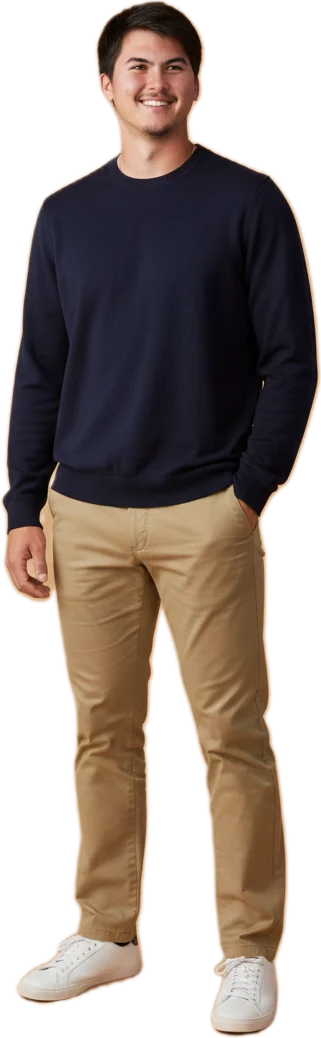
Cortland Clarke: developer, finance student and former Division I pitcher
Based in
Winter Park, FL
& New Orleans, LA
↘Ex-D1 pitcher. Finance. Self-starter. Fluent in new tech tools.
Dream jobForward-deployed engineer in a finance-related role: in the room with the people using the tools, building what actually solves their problem.
B.S. Finance, minor in mathematics, LSU New Orleans, December 2026. Four college seasons on the mound at three schools.
About me| Tool | Pres / Fut | 20 ········ 50 ········ 80 |
|---|
Actual scouting report metrics. 20-80 scale, where 50 is MLB average.
These are projects I envisioned and built: some for school, some for profit, and some for the joy of solving a problem I saw could be solved. Hover one to preview it, click to open it.
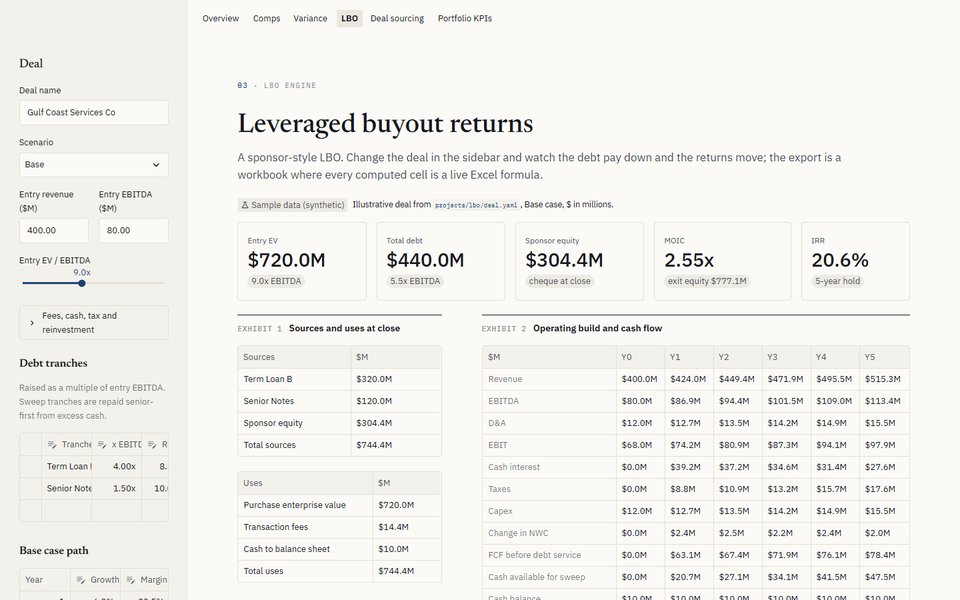
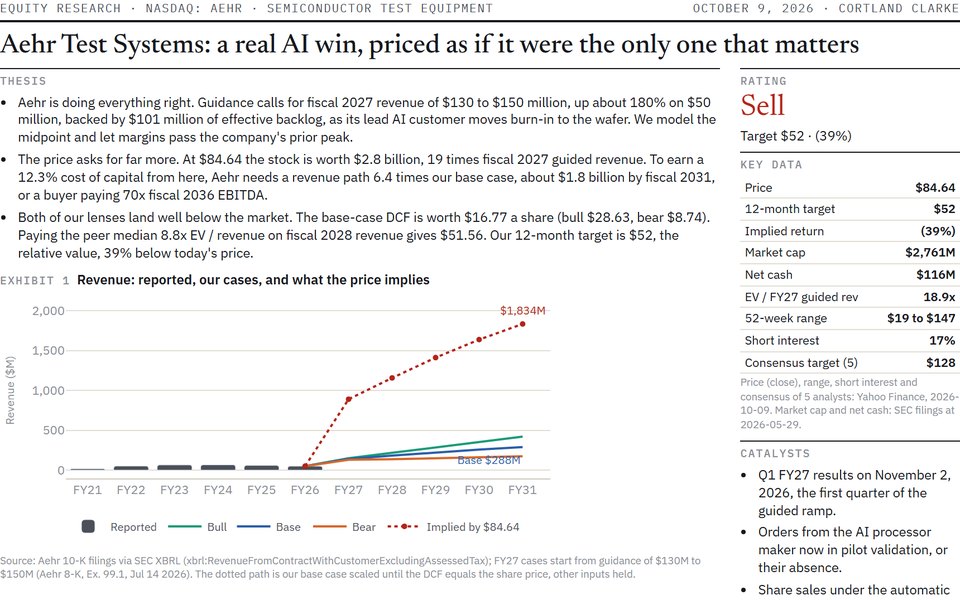
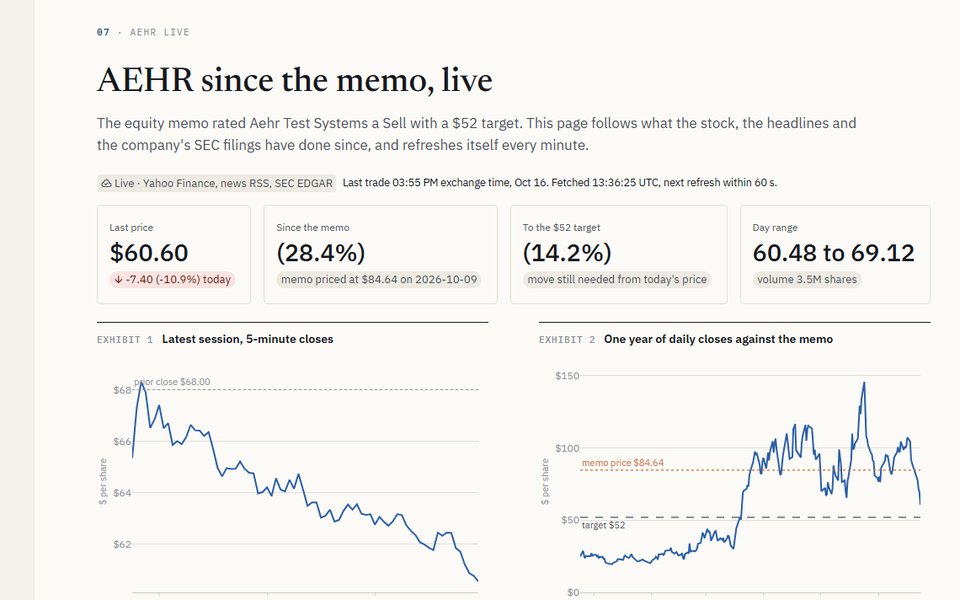
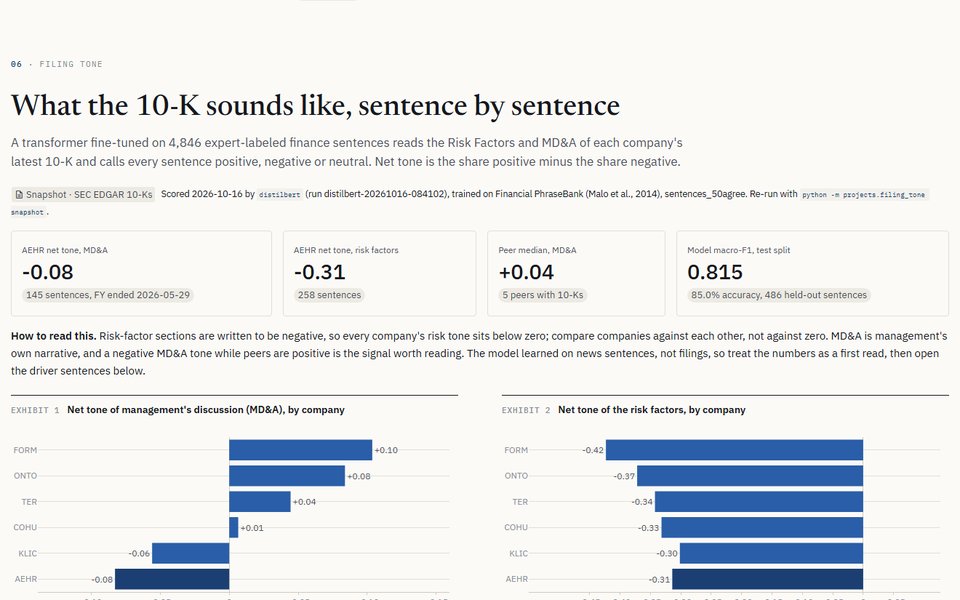
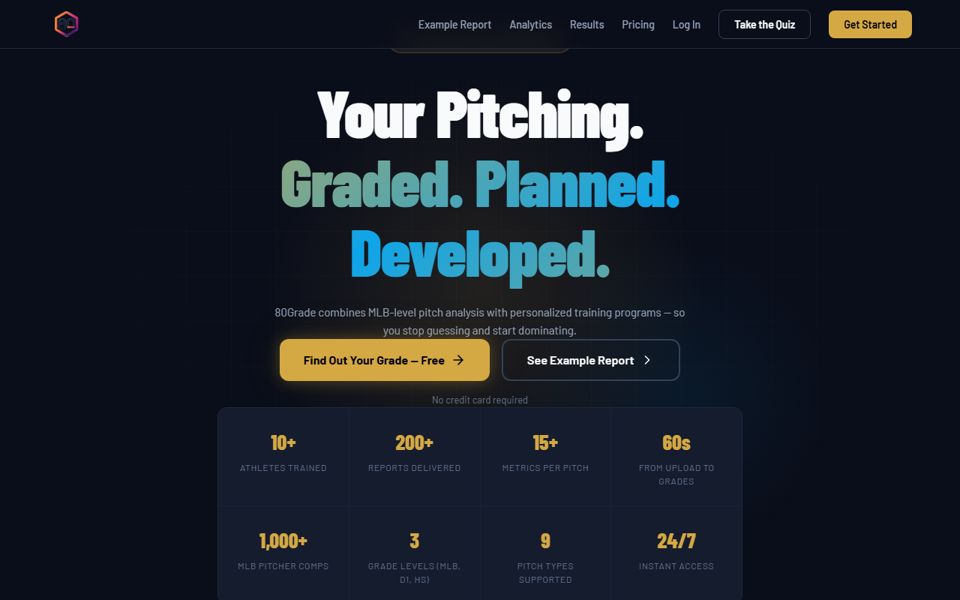
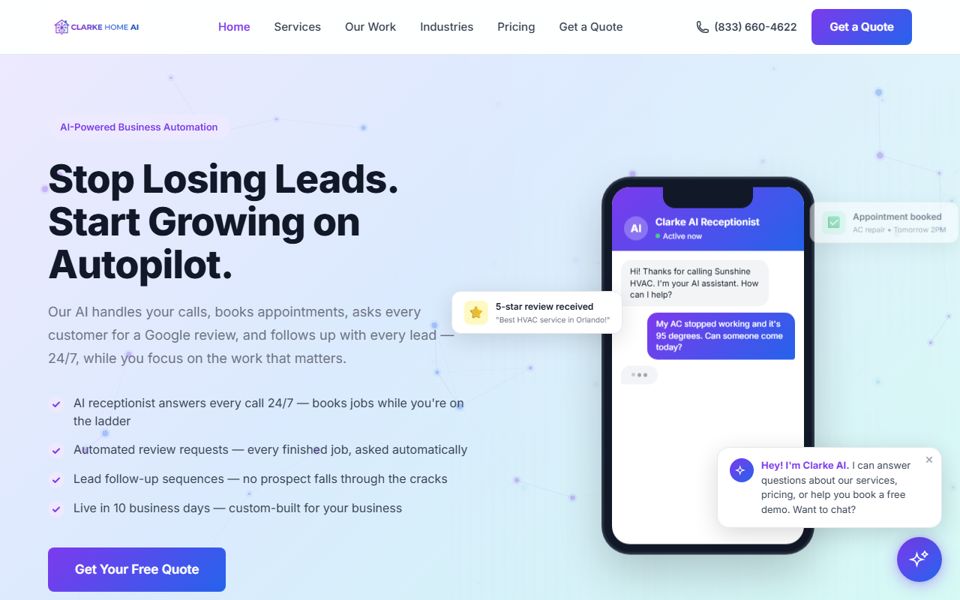
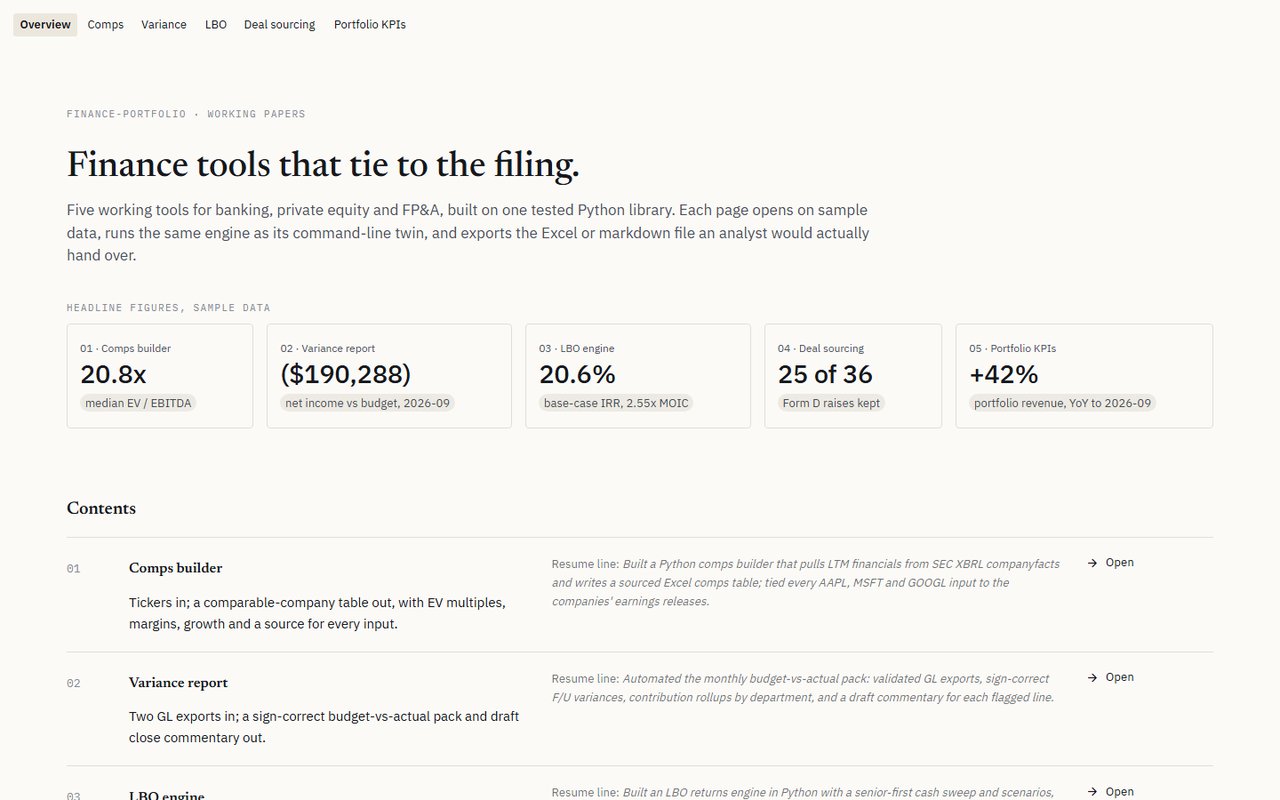
Most student finance projects stop at a spreadsheet. I built seven working tools on one Python library: trading comps, an LBO model, a budget-vs-actual variance pack, Form D deal sourcing, a portfolio KPI dashboard, a machine-learning model that reads 10-K filings, and a live tracker for my AEHR Sell call. Each one exports the Excel file or memo an analyst would actually hand over, or shows its data source on the page.
The comps pull straight from SEC filings, and every number carries its source. I tied each Apple, Microsoft and Alphabet input to the companies' own earnings releases. The LBO exports live Excel formulas, and a test recalculates the workbook and checks its IRR against the Python engine.
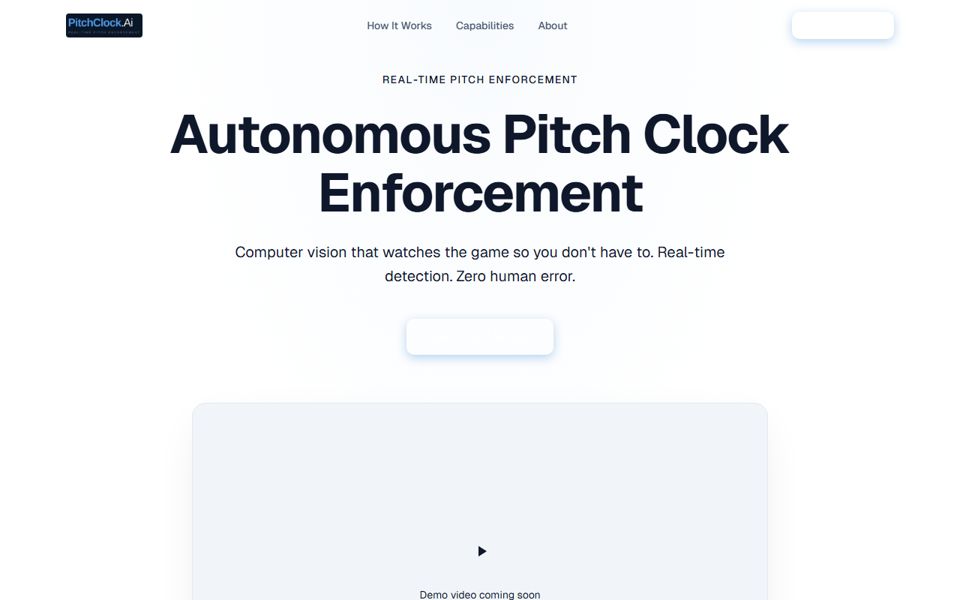
College baseball now runs a pitch clock, and umpires time it by eye. PitchClock.AI watches broadcast video and marks the exact frame a pitcher starts his delivery and the frame the catcher receives the ball, so the clock can be enforced automatically.
I trained a small neural network on motion and body-pose features pulled from each frame, then combined predictions from multiple camera angles. It outputs an annotated video with the clock overlaid.
Madden-style 0-99 ratings for college football players.
Pitch grading in the browser, tested against the Python original.
Game probabilities from Statcast and weather, tested on ten seasons.
MMA fight predictions with ratings and gradient boosting.
Product lead on a family youth-development startup.
Prediction-market and arbitrage research, simulated only.
First seven years in Georgia, then the family moved south.
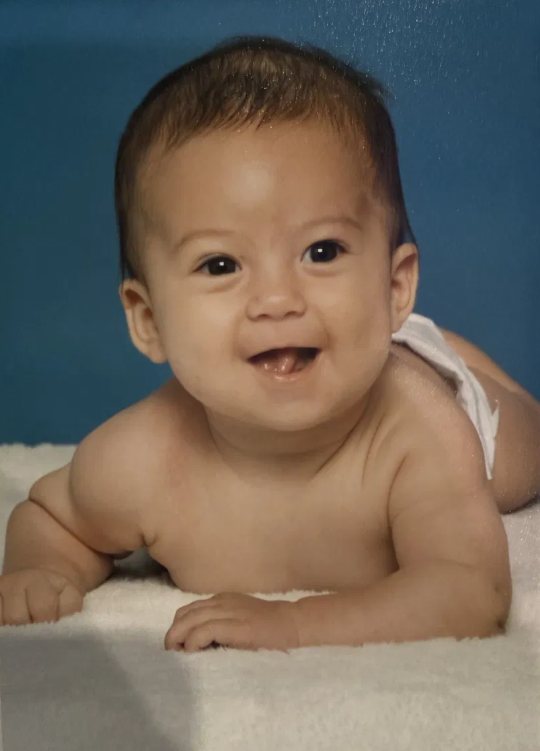
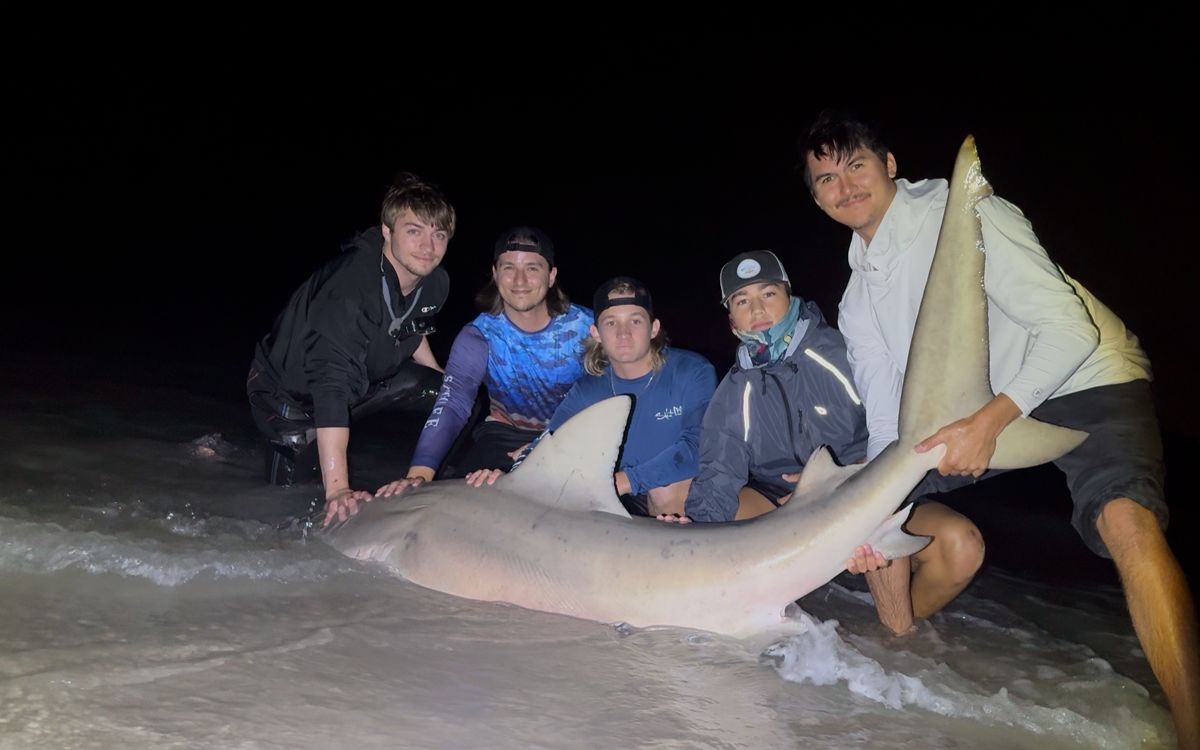
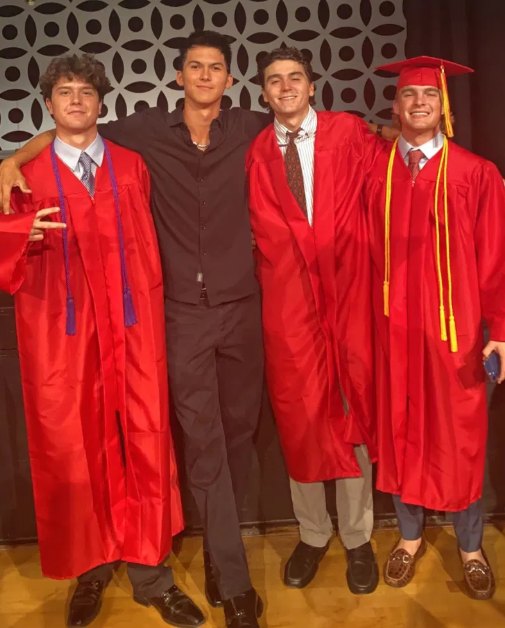
Dommerich Elementary, St. Margaret Mary, Orangewood for high school. Fishing, friends, and baseball every day I could get it.
Out of high school I didn't throw hard and I didn't have a single offer. So I set a goal anyway: pitch at my dream school.
I took a year off from school to train full time, get stronger, and throw harder.
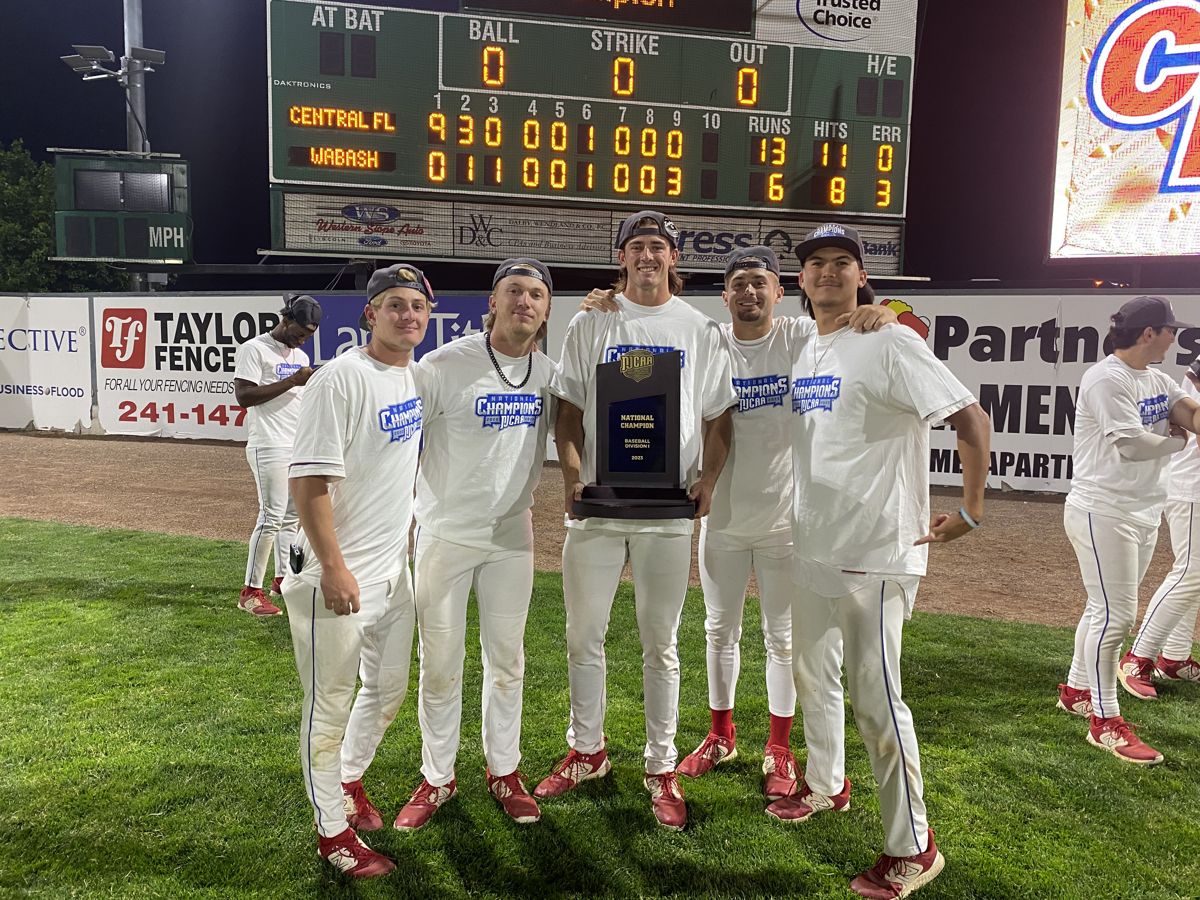
A top junior college program where I worked as hard as I ever have. We won the junior college national championship, and I was part of that team. Associate's degree, May 2024.
That work earned me shots at my dream schools and real draft looks. It didn't work out.
Going from zero offers to that close is a miracle I'm still grateful for.

Pitched in front of pro scouts with the Trenton Thunder in the MLB Draft League, and with the Macon Bacon, including the Strike Out Cancer night.
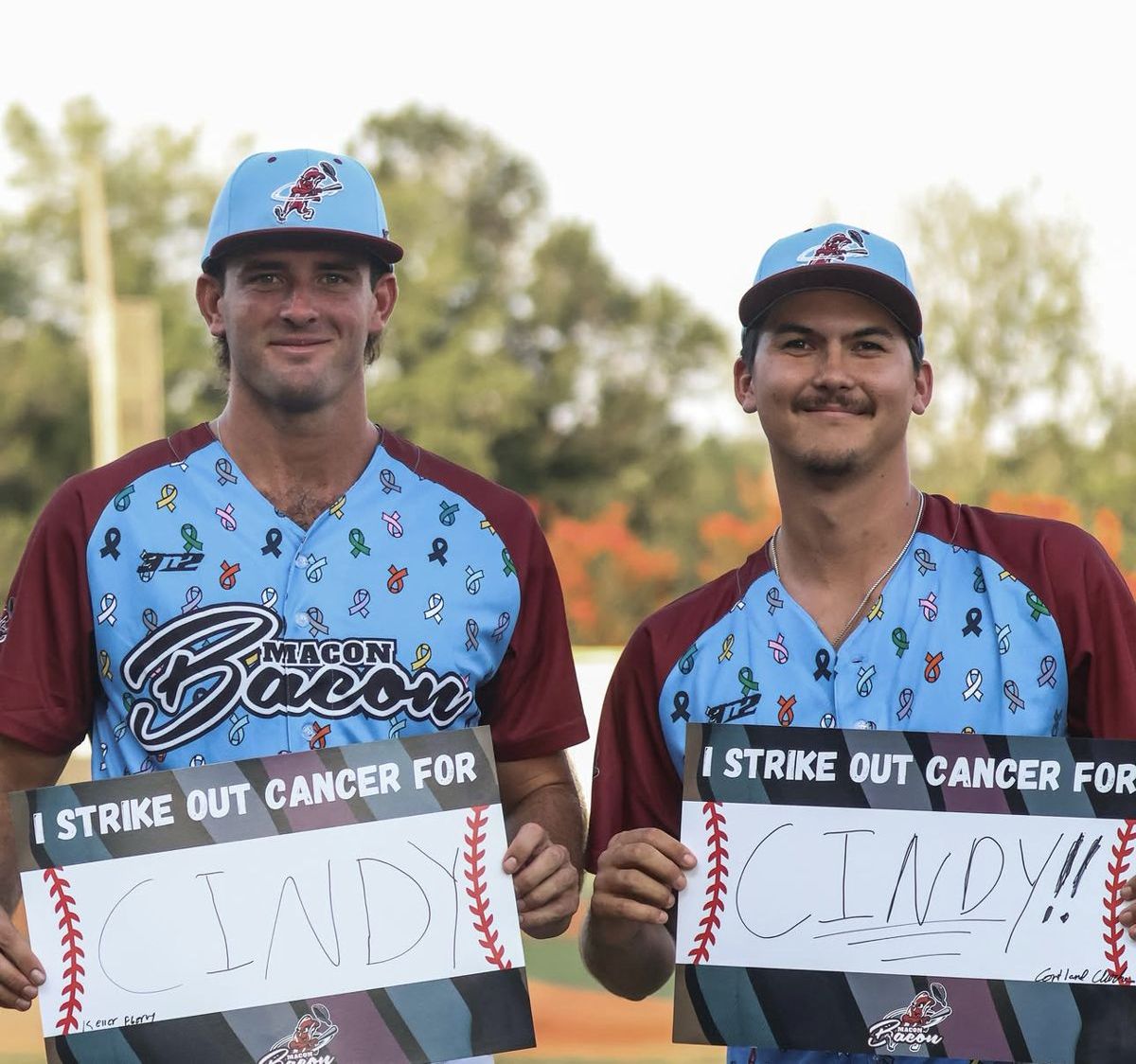
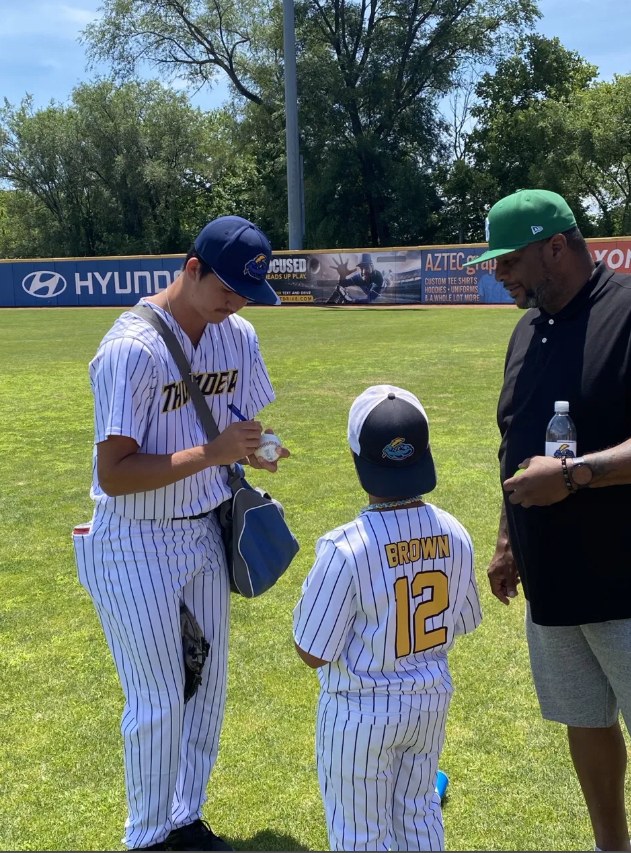
The level I never thought I'd reach out of high school.
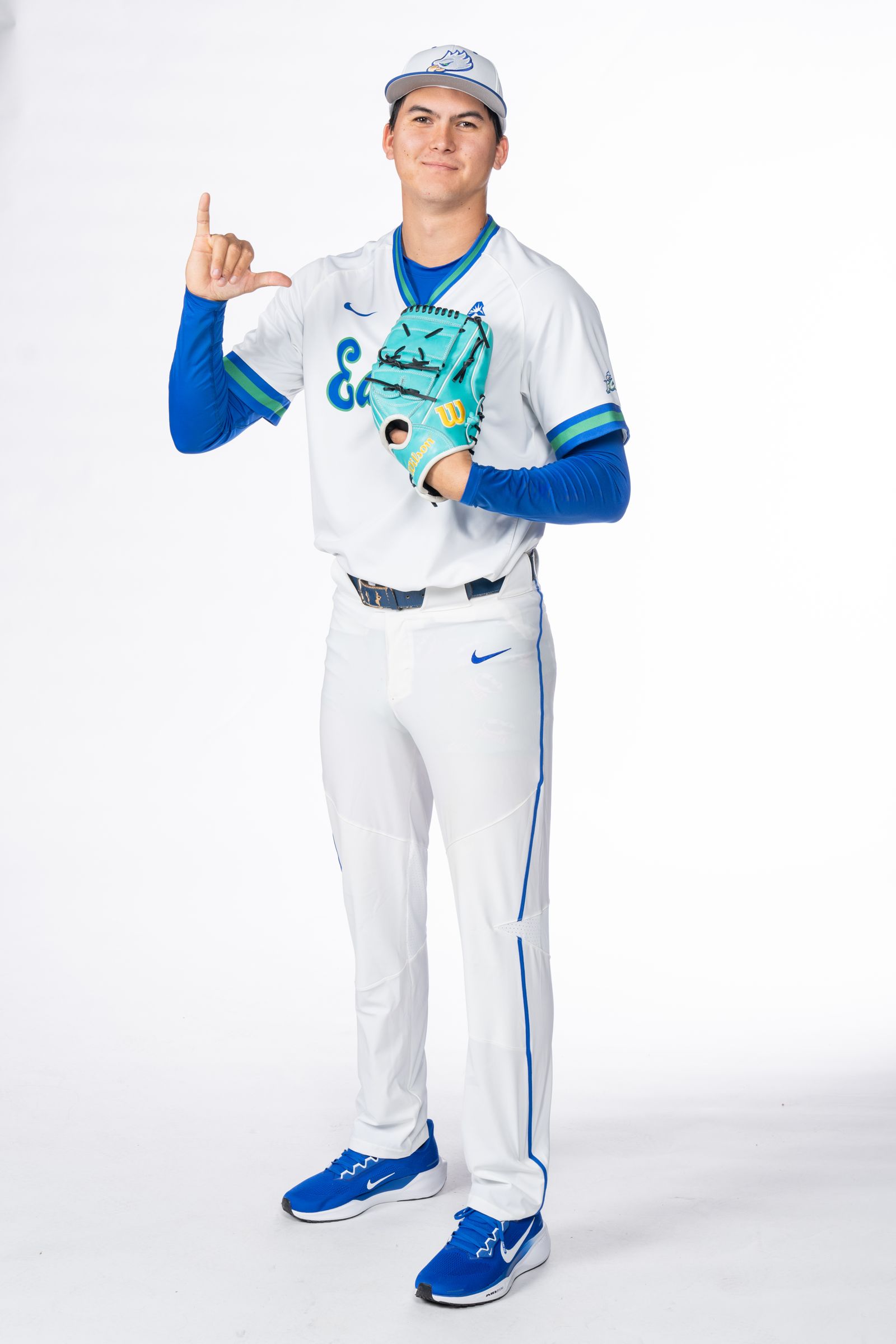
Division I baseball, a finance degree with a math minor finishing December 2026, and the year I started shipping software.
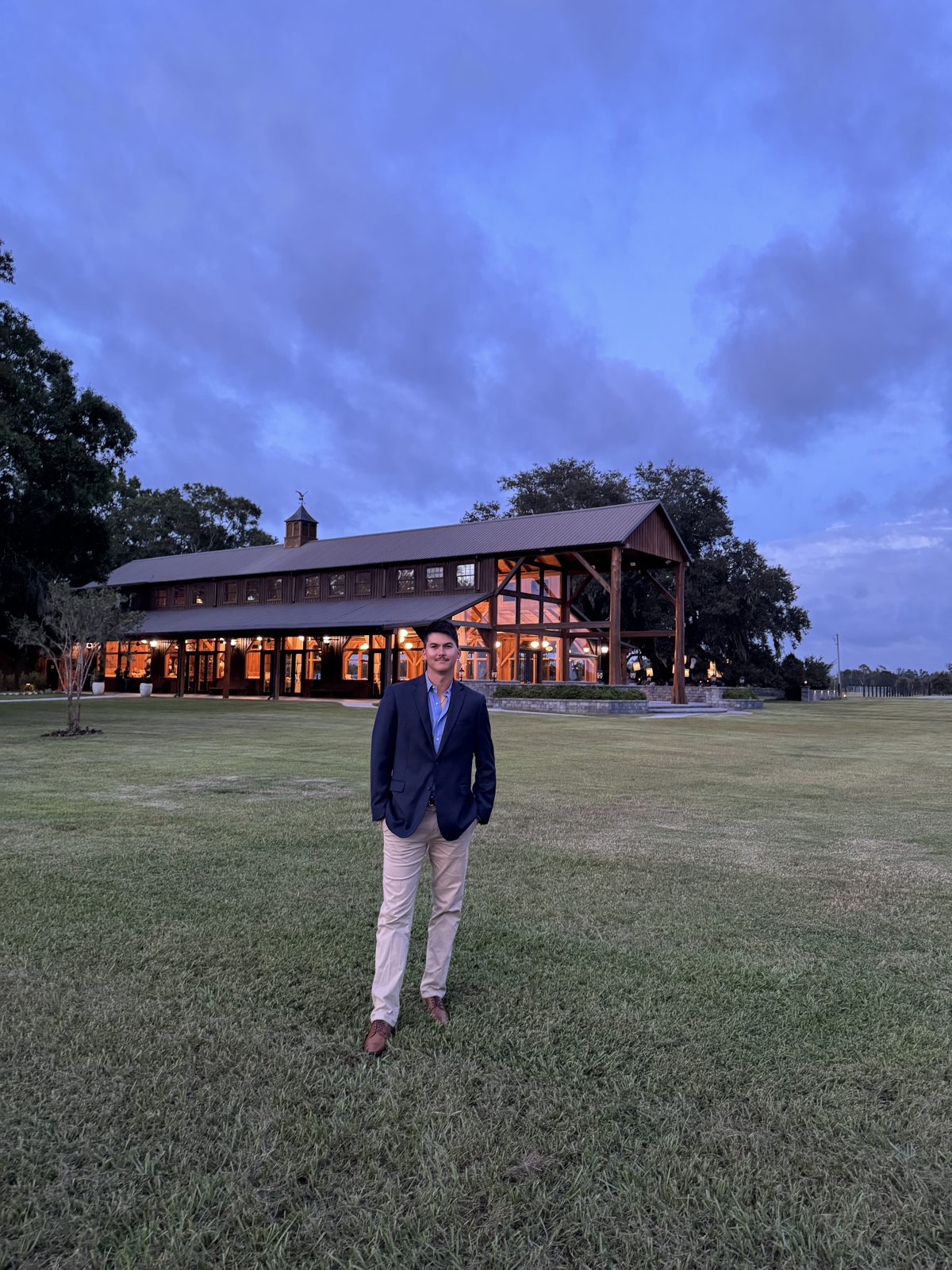
Coming out of college, I will work as hard for my career as I did for my athletic career.
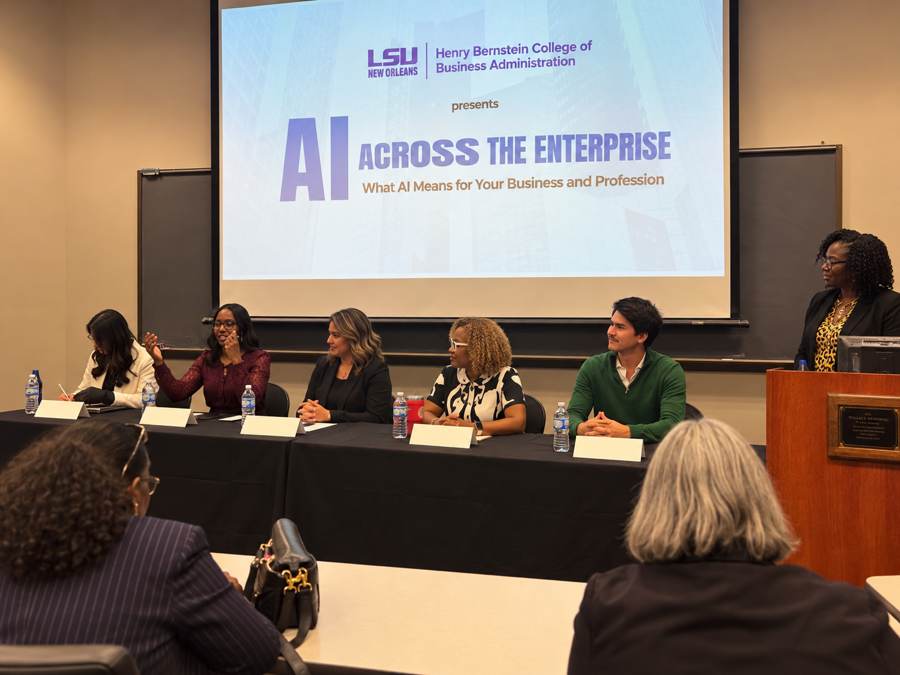
Three tools that run right here in the page. Pick one.
A live price chart that ticks every second. Green when it's above the open, red when it's below.
Demo feed with simulated prices. For real prices, headlines and SEC filings, see the AEHR live tracker.
The real Stuff+ engine from 80Grade. Enter a pitch's numbers and it grades it against MLB averages, where 100 is league average.
Example values. Bars show how far each metric pushes the grade above or below average.
How much to put on a prediction-market contract, using the Kelly criterion. You say how likely it is, the market says its price.
Most pros bet half of what Kelly says, because their probability estimates are never perfect.
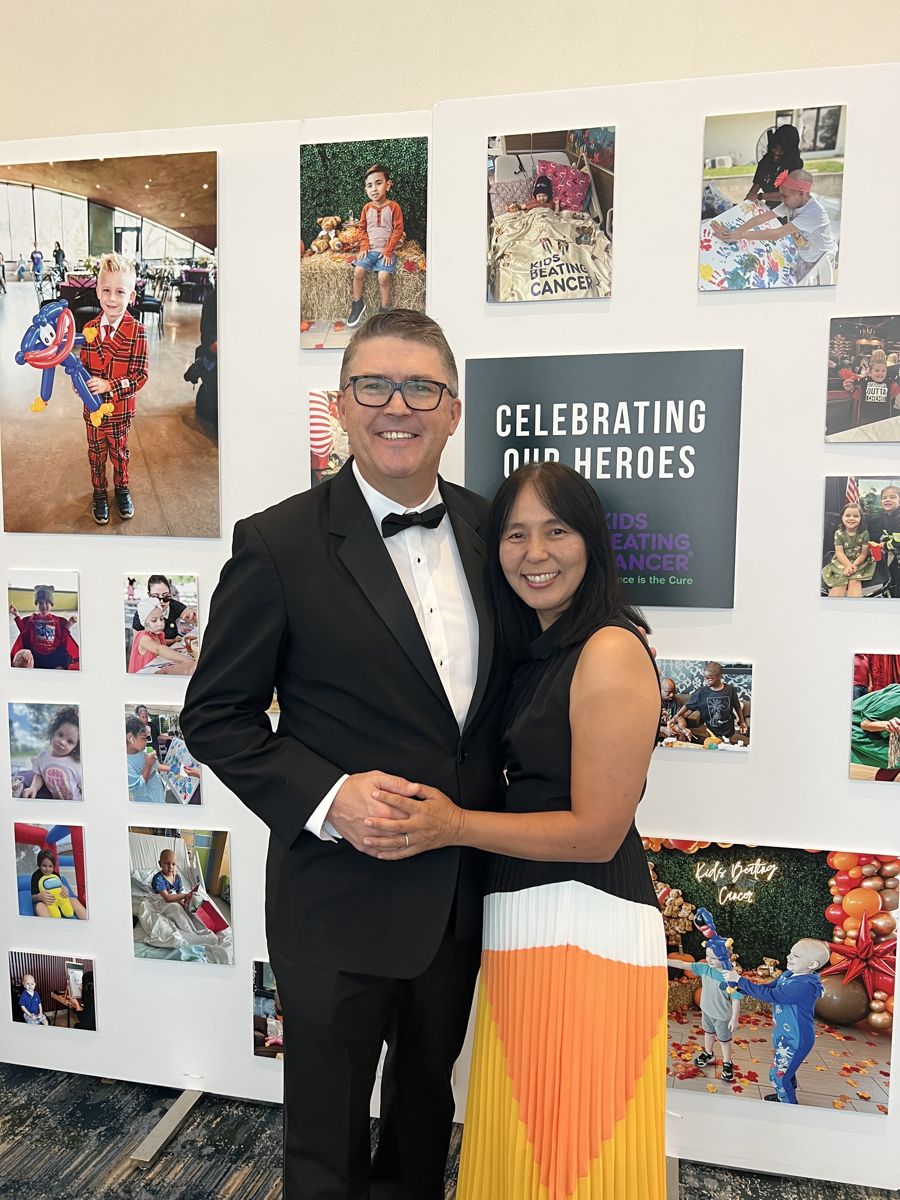
I'm the third of four kids. Both of my older siblings are data scientists and computer programmers. My brother Phil works for TechForce in the Federal Government. My sister Anne works in neuroscience research and applied AI. My younger brother is twelve and quite the ballplayer. My father has worked in multiple verticals while focusing on the family. My mom is Japanese, and that heritage is a part of me. I love my family very much.
I was a wild, reckless kid. Finding God gave me guardrails and a foundation. I rely on Him more than anyone or anything, and I wouldn't be here without Him.

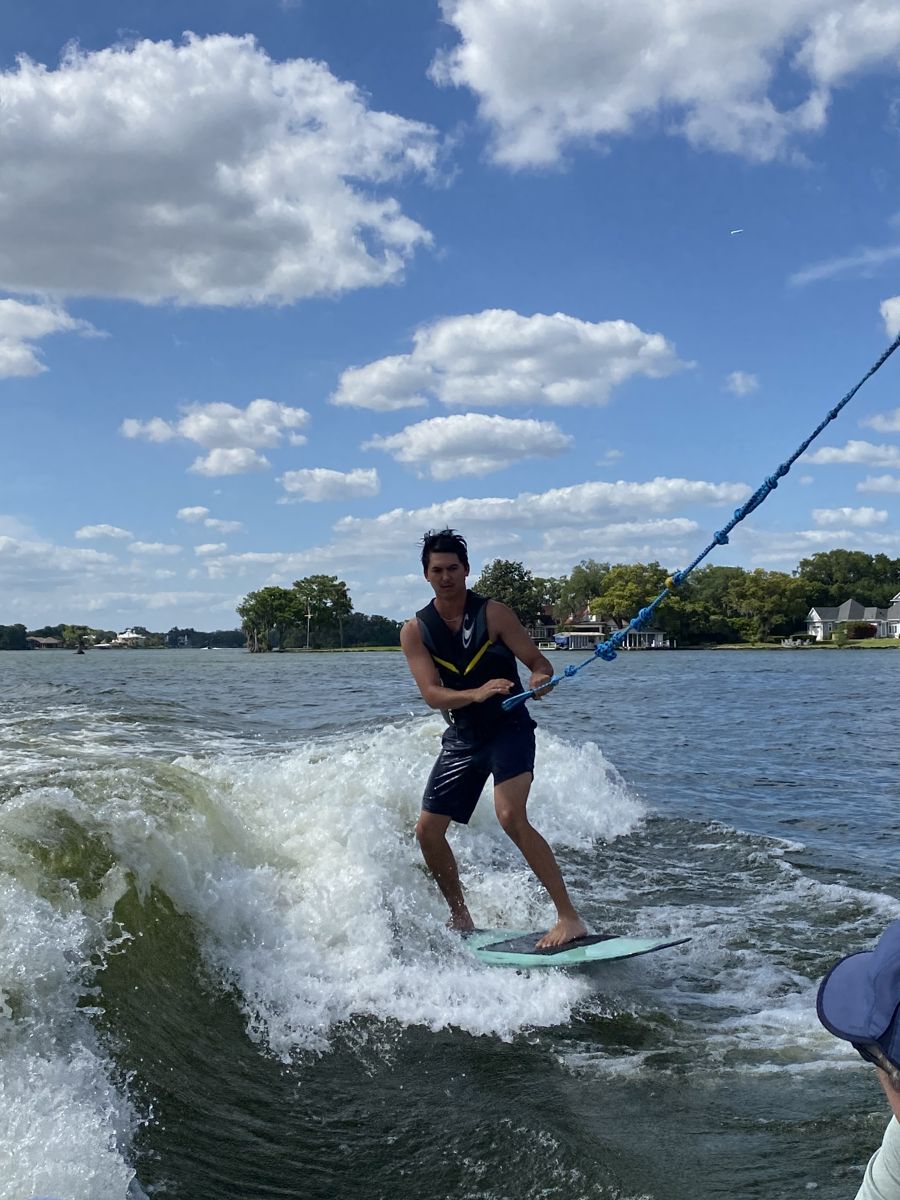
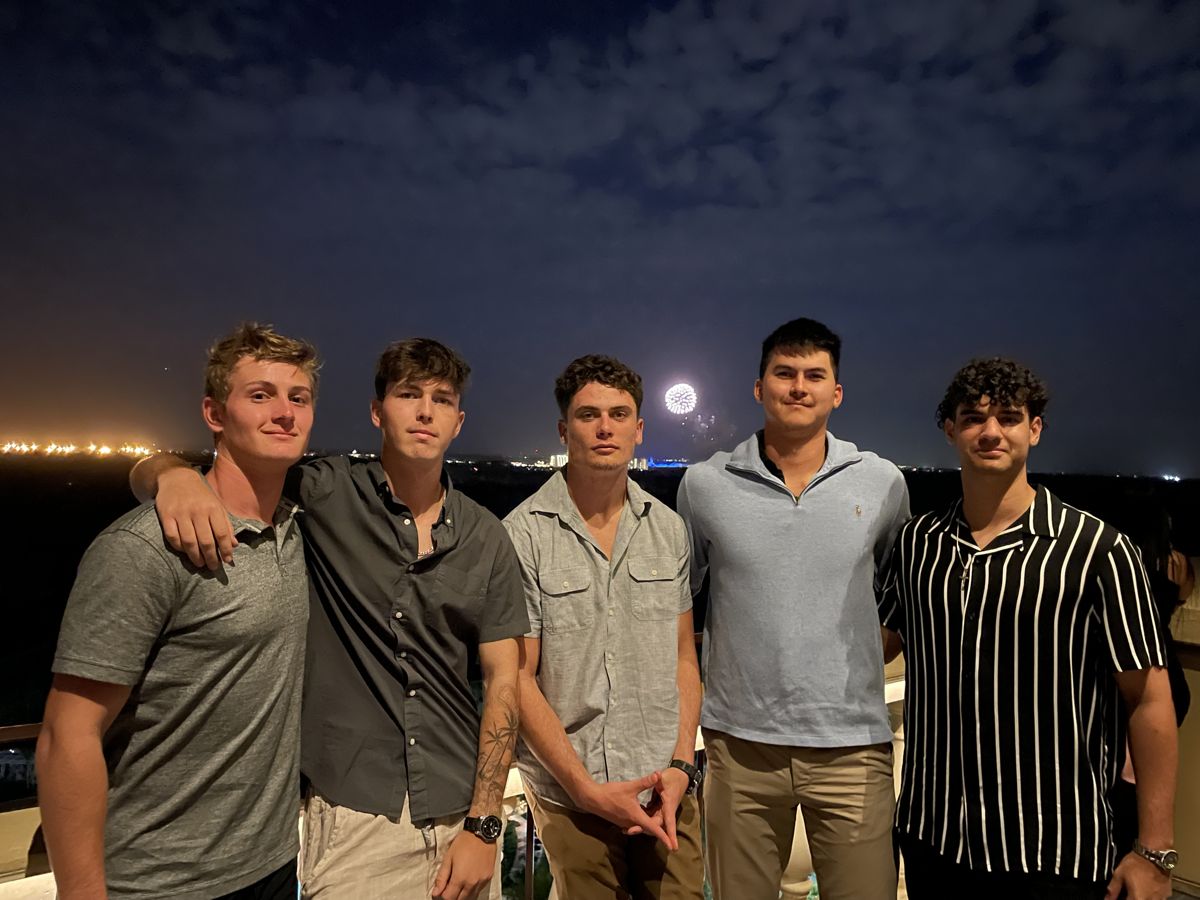

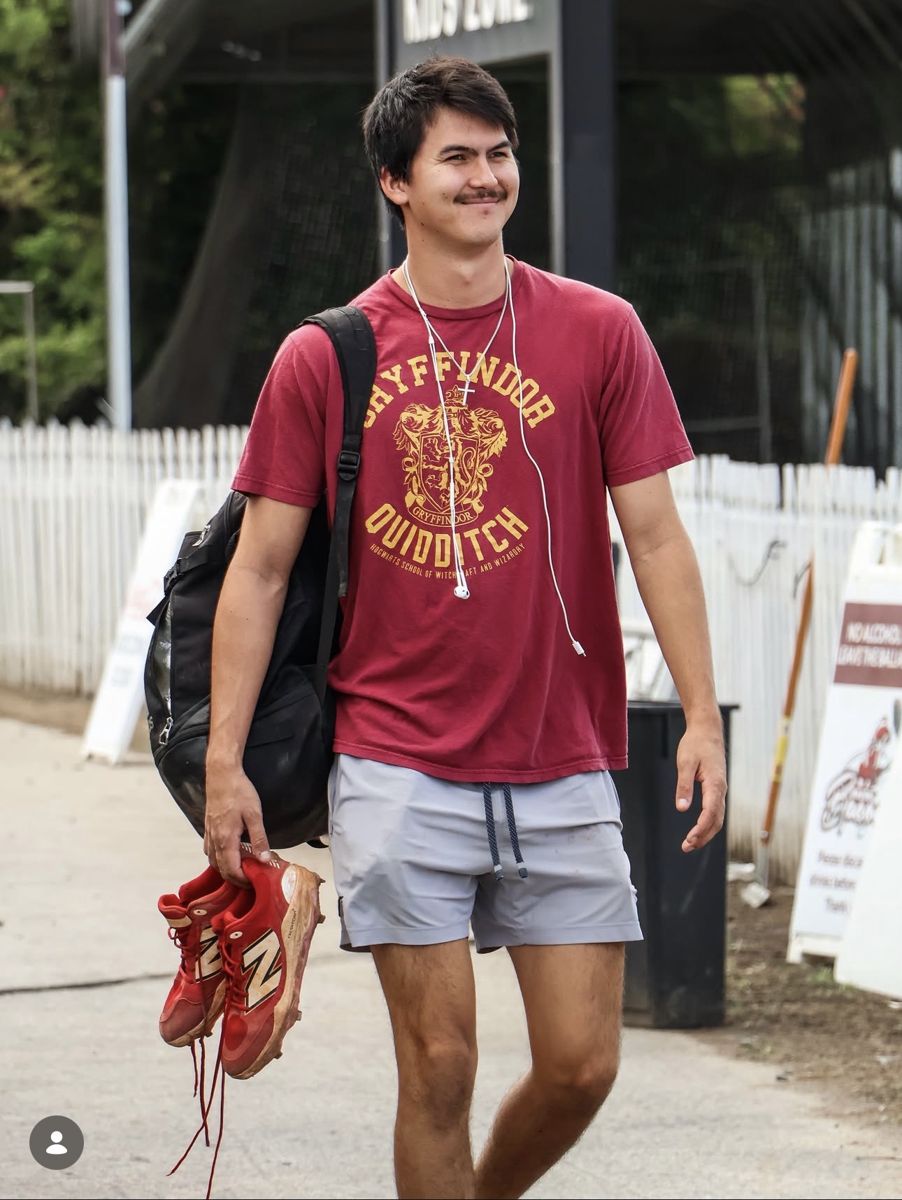
Finishing my finance degree, then networking to build a real foundation in the industry.
ReadingMeditations, Marcus Aurelius. A personal journal that reads like it was written last week.
PlayingChess.com, 800 and climbing. Golf at a 10.
Birding90 species logged on Birda this year.
MottoTempus fugit.
About Cortland Clarke. Cortland Clarke is a developer and finance student at LSU New Orleans (B.S. Finance, math minor, December 2026) and a former NCAA Division I pitcher. He won a junior college national title at the College of Central Florida, pitched at Florida Gulf Coast University, and now builds software for athletes, finance teams and small businesses. Based in New Orleans, LA and Winter Park, FL.